This brief is 100% free to read. No login required.
Evidence verified against 2024-2025 systematic reviews
Virtual Reality Gaming for Motor Learning in Children with Neurological Conditions
Virtual reality (VR) is emerging as a powerful tool for improving motor function in children with neurological conditions like cerebral palsy. This brief explores the latest evidence on using VR to drive neuroplasticity and enhance motor learning in a fun, engaging way.
Research: April 2026
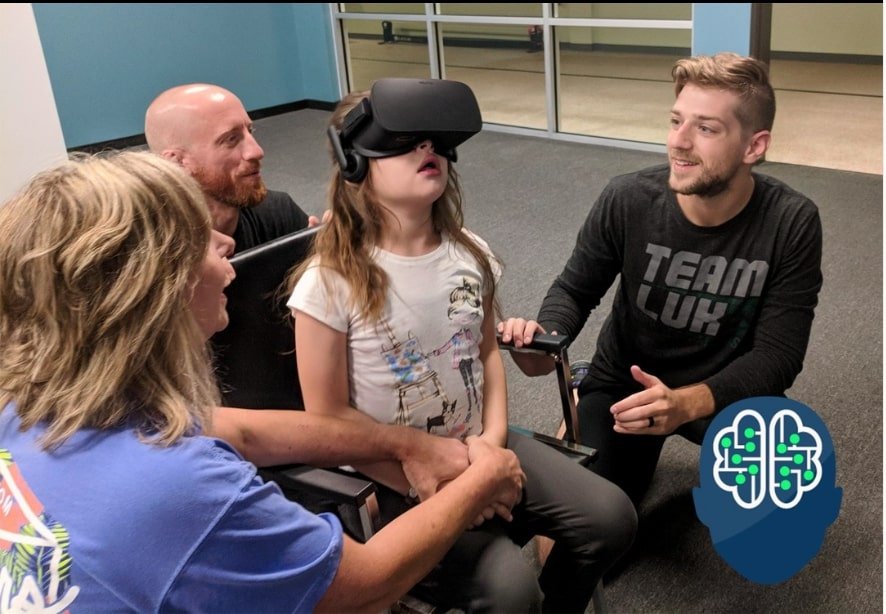
A young girl with a neurological condition engages in virtual reality therapy with the assistance of her therapists, demonstrating the use of VR for motor learning.
Related Videos
Cerebral Palsy Touchscreen Therapy Demo
Physical Therapy: Early Intervention for Cerebral Palsy
Key Findings
- 1VR interventions show moderate overall effects on motor function in children with cerebral palsy.
- 2Robotic exoskeleton VR systems yield the largest benefits.
- 3Children under 6 years old demonstrate the most significant improvements.
- 4The optimal intervention dose is 30-40 hours, with diminishing returns after 50 hours.
Clinician's Note
What I've found works best is to not just throw a kid into a VR game and hope for the best. You need to be just as thoughtful about the setup as you would with any other treatment. I always start with a trial period to see how the child responds. Some kids get motion sickness, and some just don't engage with it. I also make sure the games are tailored to their specific goals. If we're working on reaching, I'll choose a game that requires a lot of reaching. It sounds obvious, but it's easy to get caught up in the 'fun' and lose sight of the therapeutic purpose. I've also found that it's a great tool for home programs, as long as the parents are on board and understand how to use it safely.
Clinic Action Plan
Common Mistakes to Avoid
- •Using VR as a passive activity instead of actively coaching the child.
- •Not customizing the game to the child's specific motor goals.
- •Failing to monitor for and address side effects like motion sickness.
- •Over-relying on VR and neglecting other important therapeutic interventions.
Frequently Asked Questions
This brief includes an extended deep-dive section with clinical nuance, dosing details, edge cases, and special population considerations.
Unlock with Premium — $99/yrMeets 2026 NeuroDash High-Standard Criteria
This brief passes all 6 mandatory quality criteria: objective outcome measures, 5+ DOI-linked sources from top-tier institutions, GRADE evidence rating, specific dosing parameters, 3+ recent (2023–2026) citations, and a step-by-step Clinic Action Plan.
Want more from NeuroDash?
Save protocols, track CEU hours, download PDFs, and get unlimited AI access.
Explore Premium — $99/yrMore in Pediatric Neuro
Sensory Integration Therapy for Children with Developmental Coordination Disorder
This brief summarizes the latest evidence on Sensory Integration Therapy (SIT) for children with Developmental Coordination Disorder (DCD). It provides actionable insights for pediatric PTs to improve motor skills and daily functioning in this population, based on recent systematic reviews and meta-analyses.
Unlocking Potential: A Practical Guide to Goal-Directed Training for Children with Cerebral Palsy
Tired of generic exercises? Goal-Directed Training (GDT) flips the script by focusing on what the child *wants* to do. This brief breaks down how to use this evidence-based approach to make therapy more meaningful and effective for your pediatric patients with cerebral palsy.
Boosting Gains: Combining Botulinum Toxin and PT for Pediatric Spasticity
This brief explores the powerful synergy of combining botulinum toxin (BoNT-A) injections with targeted physical therapy to manage spasticity in children with cerebral palsy. It's about turning that temporary muscle relaxation into lasting functional improvements for your patients.
Making a Splash: Aquatic Therapy for Kids with Cerebral Palsy
Aquatic therapy can be a game-changer for children with cerebral palsy, offering a unique environment to improve motor function, strength, and overall quality of life. This brief breaks down the evidence and provides a practical guide to implementing aquatic therapy in your practice.